By Dr. Daebbang
“I have tried every skincare product that is supposed to help pores. Why do they still look the same?”
“Is it time to try a laser?”
When pores start to bother us, changing skincare products is often the first thing we try. But some people are mainly concerned about shine and blackheads, while others notice prominent pores on their cheeks even though their skin is not particularly oily. That is why the best first step can differ, even when everyone calls it a “pore problem.”
If shine and clogged pores are your main concerns, I recommend starting with skincare. If prominent pores and uneven texture still bother you after you have addressed oiliness and clogging, I recommend considering a treatment such as a laser alongside your routine.
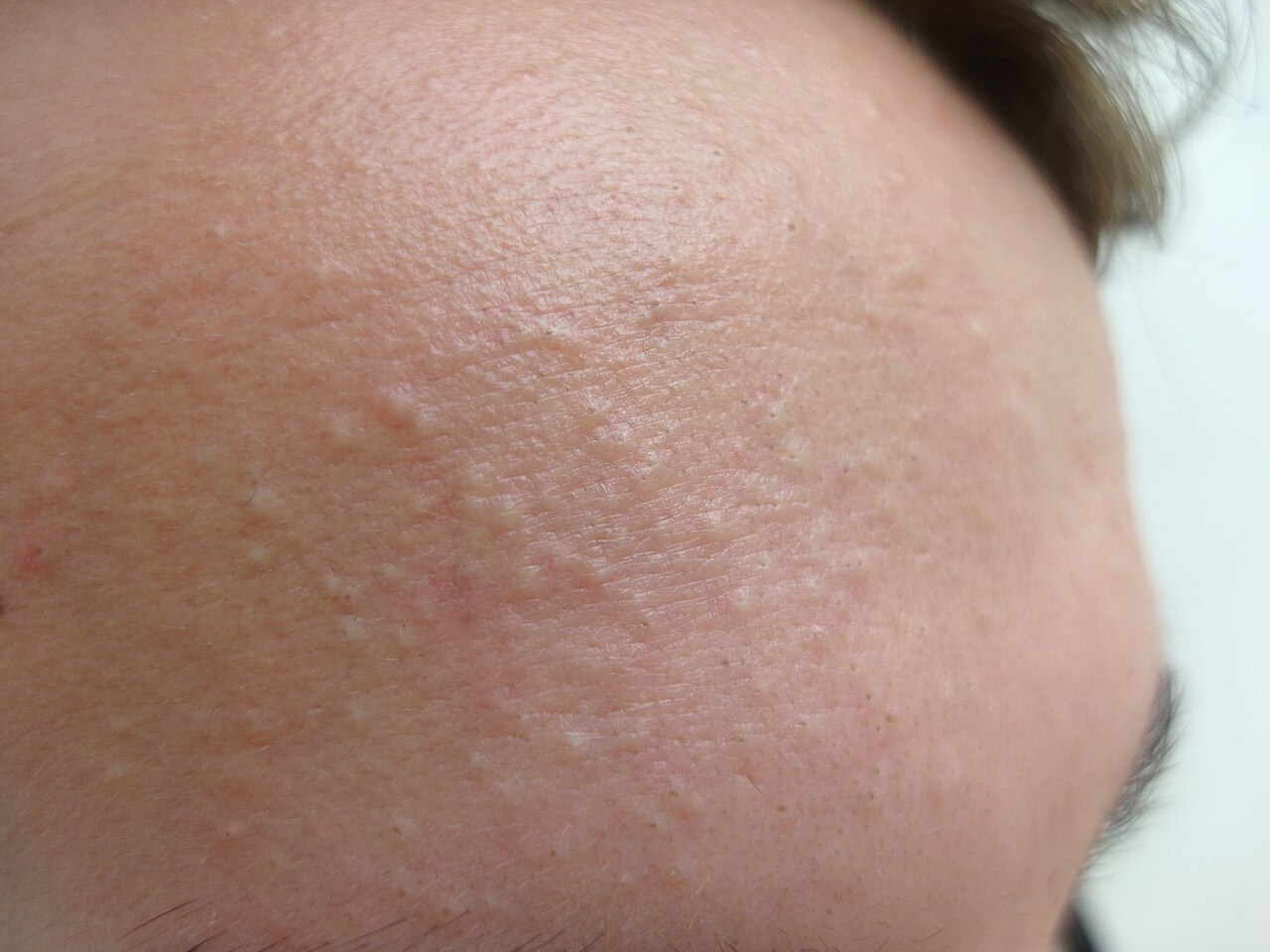
Why do pores look larger?
The appearance of pores is influenced by oil production, the size of the hair follicle opening, and the elasticity of the surrounding skin.
The pores we see on the face are the openings through which hair and sebum—the skin’s natural oil—reach the surface. A buildup of oil and dead skin cells can make these openings more noticeable, and support from the surrounding skin also plays a role. In a study of 60 people, greater sebum production and lower skin elasticity measurements were associated with more prominent pores[1, 2].
That means we need to consider both the material inside a pore and the condition of the skin around it. These concerns can overlap. A realistic goal is to make pores less noticeable, rather than to eliminate them altogether.

When is skincare a good place to start?
If shine, blackheads, or mild texture concerns are the main issue, it is reasonable to start with skincare. What matters is the problem you want to address, rather than whether the product is marketed as a “pore treatment.”
| Main concern | Ingredient to consider first | What it may help with |
|---|---|---|
| Excess oil and shine | Niacinamide | Managing oiliness and improving the appearance of prominent pores |
| Recurring blackheads and clogging | Salicylic acid (BHA) | Managing dead skin buildup and comedones |
| Rough texture as well as visible pores | Retinol | An option that may improve texture and pore-related measurements |
A study of a moisturizer containing 2% niacinamide reported improvements in sebum-related measurements. In a separate study using a 4% formulation, the number of pores detected in images decreased at eight weeks. This does not mean that the pores physically disappeared; it means they became less noticeable. You do not need to insist on a high concentration from the outset[3, 4].
Salicylic acid is better suited to managing comedones—clogged pores such as blackheads and small closed comedones, often called whiteheads. However, results from a particular salicylic acid formulation cannot be applied to every BHA skincare product. If whiteheads and inflammatory acne keep recurring, I would recommend looking into acne treatment first rather than repeatedly switching skincare products[5, 6].
Retinol has also been studied in relation to pores. In a study of 43 Korean women with acne-prone skin, four weeks of using a retinol-containing product was associated with improvements in measurements such as pore area and depth. This was a short study without a control group that did not use retinol, so it does not establish that every retinol skincare product will deliver the same results[7].
Cosmetic retinol should be distinguished from retinoid medicines such as tretinoin and adapalene. The benefits established for acne medicines should not automatically be attributed to retinol skincare products[5].
This is not a recommendation to start all these ingredients at once. Start with one ingredient that suits your main concern, and pause irritating products if stinging or redness persists. Gentle cleansing, moisturizing, and sun protection should form the foundation of your routine. If you are pregnant or planning a pregnancy, leave retinol out of this routine[8].
When can laser treatment help?
If pores remain prominent and skin texture still bothers you despite managing oiliness and blackheads, laser treatment is worth considering. You do not have to keep replacing your skincare with more expensive products.
Fractional lasers create microscopic treatment zones in the skin, encouraging the tissue around pores to remodel during healing. In a study completed by 32 Korean patients receiving fractional CO₂ laser treatment, visible pores became less prominent after a series of sessions, and tissue samples showed an increase in collagen fibers[9].
Another study treated opposite sides of the face with a non-ablative fractional laser—a method that does not broadly remove the skin’s surface—and a long-pulsed Nd:YAG laser, with five sessions on each side. Both sides showed less visible pores two months after the final session. However, this was a small study in which only 18 of the 27 participants completed the course. Some withdrew because of pain, swelling, or dissatisfaction. The recovery burden deserves attention alongside the potential benefit[10].
If you choose a procedure, ask what treatment is actually being offered and how much recovery time to expect, rather than relying on the label “pore laser.” Depending on the device and intensity, redness, swelling, and tiny crusts may occur; pigmentation changes also need to be considered. I recommend assessing recovery and response as treatment progresses, rather than trying to finish everything with one aggressive session[10].
If deep, irregular pits remain where you previously had acne, these may be depressed scars rather than enlarged pores. In that situation, the priority is to establish whether they are scars and plan treatment accordingly, rather than adding more pore-focused skincare.
What order would I recommend?
If you are just starting, I would use skincare for around 8–12 weeks, then decide on the next step based on your response. This is a practical review point I suggest with the observation periods in several studies in mind.
Take photographs in the same lighting and from a similar distance. If shine and blackheads improve and your pores bother you less, keep the routine that works for you.
If oiliness and clogging improve but pores and texture remain a concern, consider what laser treatment could add rather than continually adding more products. If you have already followed an appropriate routine for a long time, you do not need to wait another three months.
Inflammatory acne or significant irritation should be addressed first, and deeply indented areas should be assessed for scarring. Simply spending longer on skincare is not a substitute for these steps.
Start by managing oiliness and clogging, then add treatment for pores and texture that still bother you. That is a useful starting point for pore care. Skincare and laser treatment can be used together.
References
[1] Kim et al., 2013. Sebum, acne, skin elasticity, and gender difference – which is the major influencing factor for facial pores?.
[2] Lee et al., 2016. Facial Pores: Definition, Causes, and Treatment Options.
[3] Draelos et al., 2006. The effect of 2% niacinamide on facial sebum production.
[4] Chiu et al., 2007. The clinical anti-aging effects of topical kinetin and niacinamide in Asians: a randomized, double-blind, placebo-controlled, split-face comparative trial.
[5] Reynolds et al., 2024. Guidelines of care for the management of acne vulgaris.
[6] Ye et al., 2024. 2% supramolecular salicylic acid hydrogel vs. adapaline gel in mild to moderate acne vulgaris treatment: A multicenter, randomized, evaluator-blind, parallel-controlled trial.
[7] Do et al., 2026. Short-Term Topical Retinol Use Is Associated With Improved Pore-Related Parameters and Shifts in the Facial Skin Microbiome.
[8] Williams et al., 2020. Teratogen update: Topical use and third-generation retinoids.
[9] Kwon et al., 2018. Clinical and Histological Evaluations of Enlarged Facial Skin Pores After Low Energy Level Treatments With Fractional Carbon Dioxide Laser in Korean Patients.
[10] Wang et al., 2022. Efficacy and safety of 1565-nm non-ablative fractional laser versus long-pulsed 1064-nm Nd:YAG laser in treating enlarged facial pores.


Leave a Reply